A virtual exhibition is a simple idea on the surface: a digital display space a visitor moves through from their own device instead of travelling to a venue. But what gets sold under that name in the Saudi market ranges from a web page with photographs to a fully built 3D space. The cost difference between the two is tenfold.
Before you request a quote, you need to know three things: what you are exhibiting, to whom, and what you want the visitor to do afterwards.
What a virtual exhibition actually solves
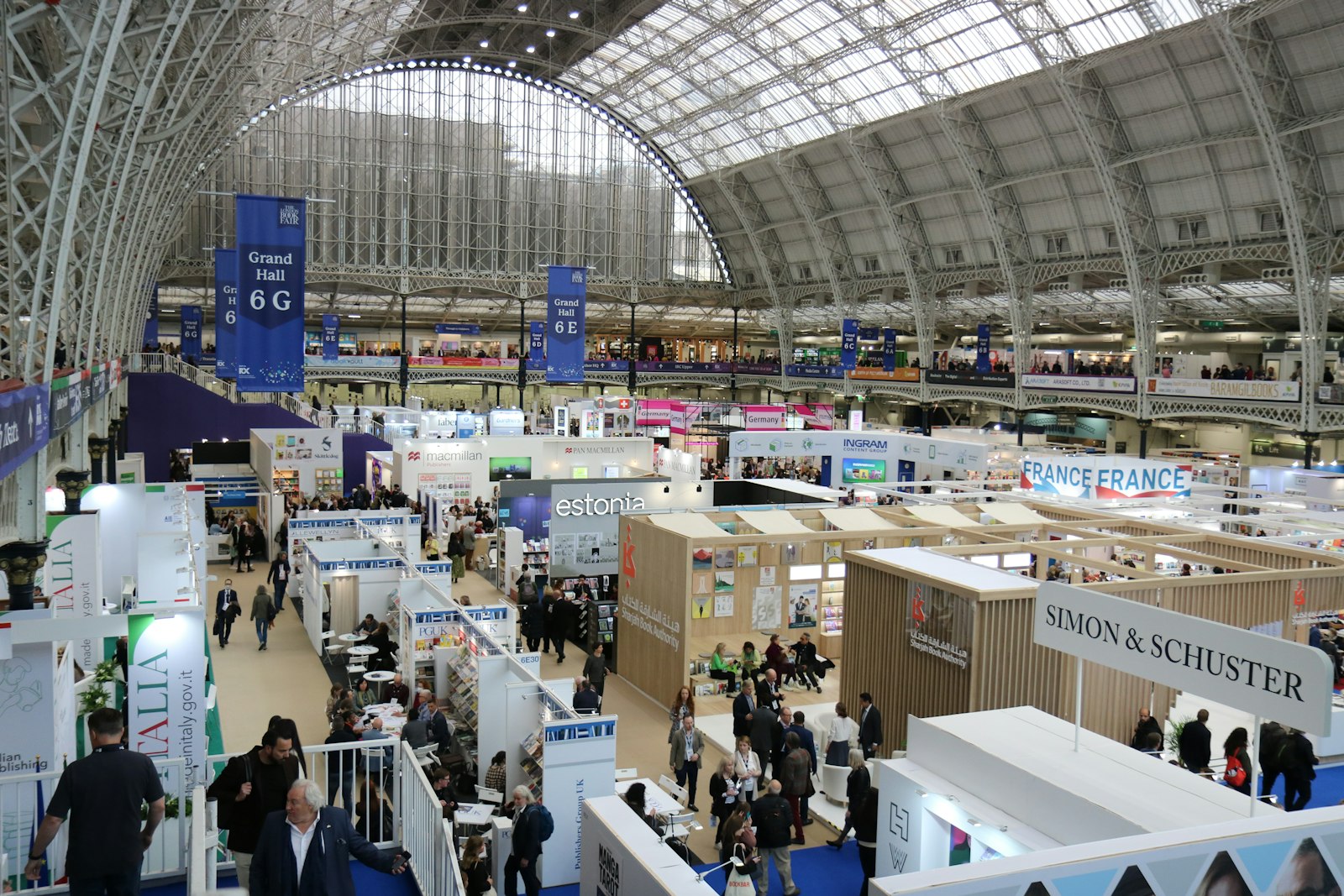
A physical exhibition is bound by three constraints: place, time and capacity. Anyone not in Riyadh on those three days will not attend. The floor space you rent determines how many stands and how many visitors. And when the event ends, everything ends with it — nothing remains but photographs.
A virtual exhibition releases all three. It opens from any city, at any hour, for an unlimited number of visitors, and it survives the event.
That genuinely helps you in specific situations:
- A geographically distributed audience — investors across the Gulf, branches in several cities, international partners
- Content worth keeping — a product, portfolio or achievements showcase you do not want to expire after three days
- A budget that will not carry a physical stand — stand build, fit-out, travel and staffing at a major exhibition far exceed the cost of a digital version
- A recurring event — if you run the same thing annually, the digital structure is reused and only the content is refreshed
And when it is waste
Plainly: a virtual exhibition is the wrong decision more often than is usually admitted.
When the value is in the meeting, not the display. Trade shows whose real purpose is two people sitting down and reaching an agreement are not replaced digitally. Digital complements them; it does not substitute for them.
When there is no audience to begin with. A virtual exhibition does not generate visitors by itself. If you have no list to mail and no campaign driving to it, you will build a beautiful empty room. This is the most common reason these projects fail.
When the product is emphatically physical. Anything bought by touch, smell or direct handling does not transmit through a screen. Know the limits of your medium.
When the reason is “we should have one.” A virtual exhibition built because a competitor built one launches once, is never updated, and is forgotten within two months.
Three types, three costs
First: a scanned real space. You scan something that exists — a showroom, a store, a built stand — and turn it into a walkable digital copy. Fastest to produce and closest to reality, limited by the fact that the space must already exist.
Second: a designed 3D space. Built from scratch in software. Complete design freedom, higher cost and longer timeline, and a result that looks designed rather than real.
Third: a full exhibition platform. Adds visitor registration, meeting rooms, live streaming and analytics on top of the display. This is not a design project but a platform project, and its cost and administration reflect that.
Confusing the three is the source of most misunderstanding in quotations. Ask which one you are discussing.
What makes a virtual exhibition work
One clear objective for the visitor. What do you want them to do? Register? Book a meeting? Download a file? View a product? An exhibition asking for five things gets none of them.
A short path. Every extra click between arrival and objective costs you a share of visitors. Beauty that lengthens the path hurts.
It works on mobile. Most visits in Saudi Arabia will come from a phone. An exhibition designed only for a large screen loses most of its audience.
Correct Arabic and correct direction. Many off-the-shelf platforms treat Arabic as a translation added later, so text breaks and the layout reverses wrongly. Ask to see a real Arabic example before signing, not a promise of support.
Measurement. How many visitors, from where, how long they stayed, where they stopped, how many completed the objective. An exhibition without measurement cannot be improved or justified.
How to bring visitors — the part always forgotten
The first reason virtual exhibitions fail is not execution. It is that nobody planned how people would reach them. A physical exhibition sits somewhere people pass; nobody passes a digital one.
Budget for this before you start building, not after.
Two weeks before launch. Announce a specific date. An exhibition “launching soon” is not waited for. A fixed date creates an event, and an event can be promoted.
The mailing list first. The people you already know are your first and most convertible visitors. One message to your client base outperforms any paid advertising at this stage.
One short link. Not three links to three sections. One link that goes out over WhatsApp, into email, and into your social profiles.
A page on your own site, not a separate domain. This matters for search indexing and for visitor trust. An unfamiliar domain reduces click-through.
Content that leads to it. An article, a short video, or a post explaining what the visitor will find inside. A bare “visit our virtual exhibition” does not work; an invitation that says what they will see does.
A lifespan longer than the event. If you tie the exhibition to a temporary event, plan what happens afterwards: does it stay open? With what content? An exhibition that closes after a week has wasted most of its value.
The rule: if you cannot name who will reach the exhibition and how, do not build it yet.
Before you sign
Ask about duration: how long does the exhibition stay live after launch, and what does hosting cost after the first year?
Ask about updates: can you change content yourself, or does every edit go through the supplier and an invoice?
Ask about data: who owns the registered visitor data? The answer should be you.
Ask about ownership: when the contract ends, what do you still have?
In short
A virtual exhibition is a powerful tool for a distributed audience and content worth keeping, and obvious waste when built without an audience or without an objective.
The right decision starts from one question: who cannot attend, and what is it worth to you that they attend digitally? If you have a number for that, the project is justified. If you do not, postpone it.
Chameleon Tour builds virtual exhibitions and digital spaces for organisations across Saudi Arabia. Get in touch to discuss your concept.