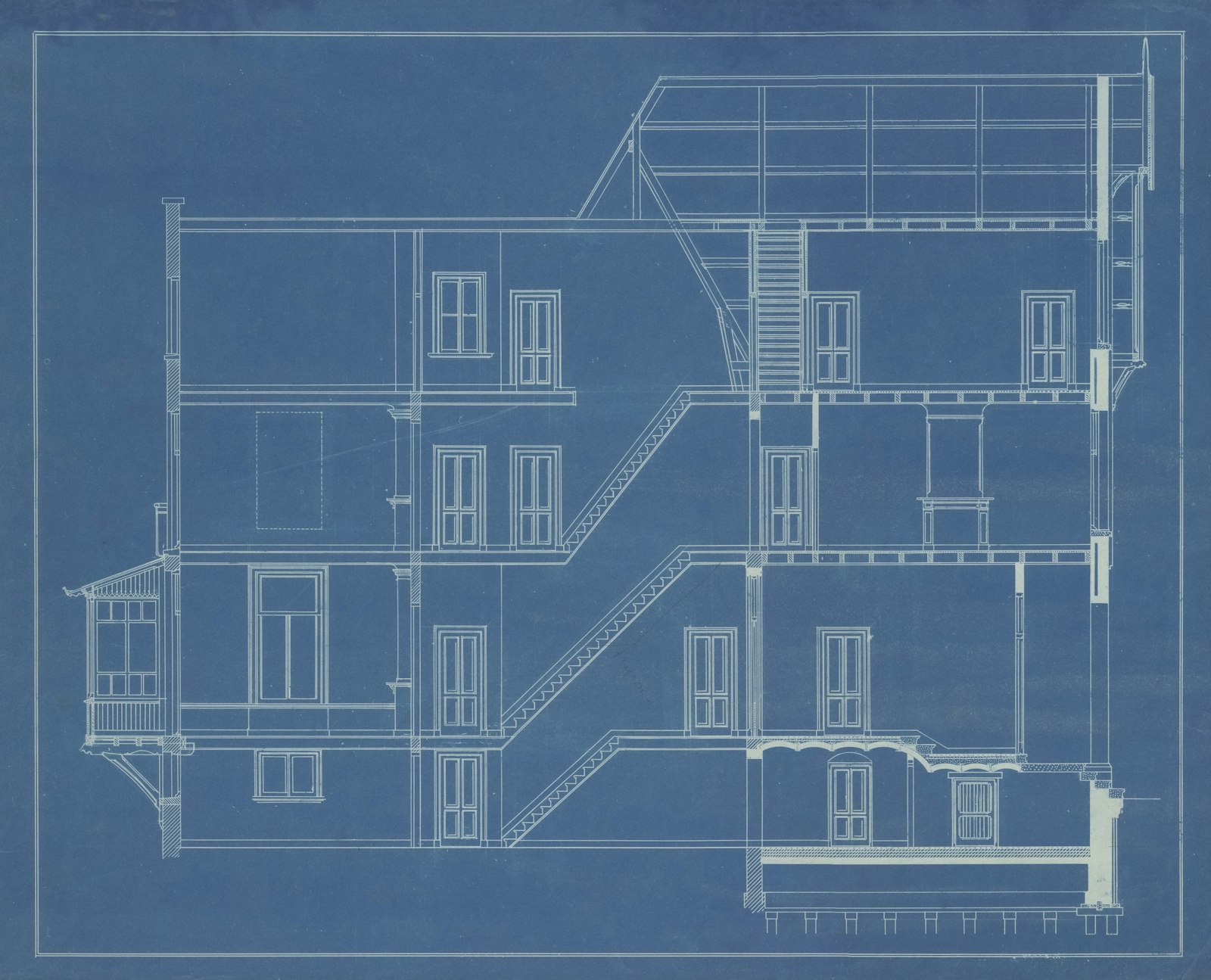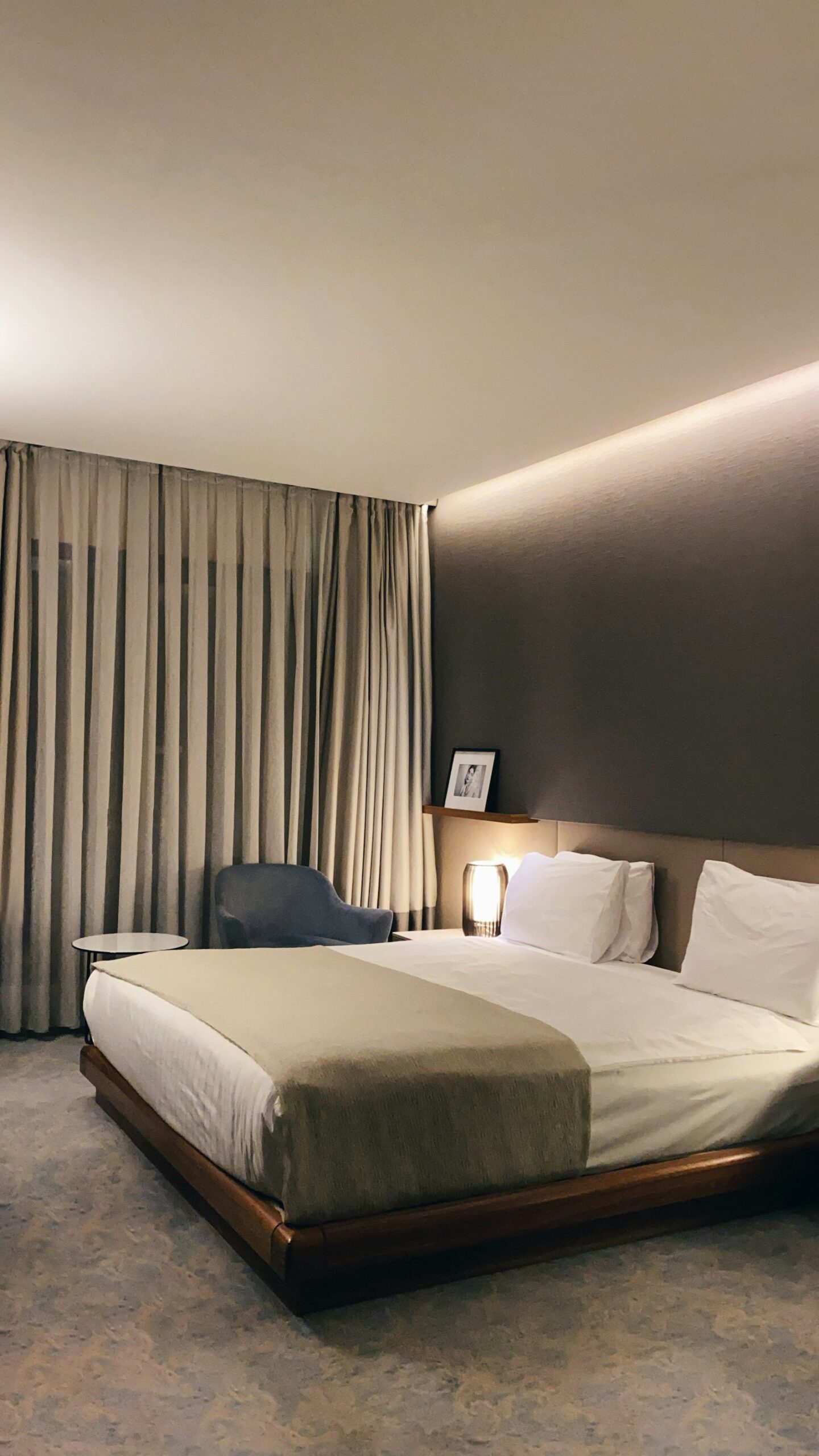

Off-plan sales rest on a simple commercial paradox: you are asking a buyer to sign a contract and pay a deposit on a home that does not exist yet. They cannot walk its hallway, stand in its living room, or check whether their wardrobe will fit in the bedroom. All they have is a 2D plan and an artist’s impression.
That gap — between what the buyer sees and what they will receive — is the single largest obstacle to closing sales in Saudi development projects. It is also the source of most disputes at handover.
What off-plan selling is, and why it is tightly regulated
Off-plan selling means selling or leasing units in a real estate project still under development, before construction is complete. In Saudi Arabia it is governed by the Law of Sale and Lease of Real Estate Projects Off-Plan, supervised by the General Authority for Real Estate (REGA) through the Wafi platform.
No developer — individual or company — may carry out this activity without a licence from the platform. REGA’s stated requirements for that licence include:
- A valid commercial registration permitting real estate development, plus a chamber of commerce membership certificate
- A credit report from an authorised agency
- Architectural designs and engineering plans approved by the competent authorities
- A consulting office contract and a legal accountant contract
- An economic feasibility study covering project costs and timeline
- A commitment to begin construction within six months
- An escrow account holding funds collected from buyers, with payments tied to construction progress
- A maximum 5% of unit value as a reservation deposit
- A standard sales contract with the buyer specifying the delivery date
The requirements as published are on the Wafi platform.
Note the stated purpose behind all of it: transparency, protection of buyer rights, and investor confidence. The regulation governs the money, the schedule and the contract. It governs one thing not at all — whether the buyer actually understands what they are buying.
Where plans and renders stop working
Developers rely on three tools today. Each has a ceiling.
The 2D plan. Accurate, approved, and unreadable to anyone who is not a professional. An ordinary buyer does not read a floor plan. They guess at it.
Renders. Beautiful, persuasive, and designed to be. That is the risk: a render is a non-binding visual promise, and the gap between it and the delivered unit is the raw material of most complaints. The more flattering the image, the more likely the disappointment at handover.
The show unit. The strongest of the three — and bound by geography and opening hours. The buyer who lives in another city, or outside the Kingdom, or who is comparing three projects in one week, will not visit it. The Gulf investor buying units in Riyadh will not fly in to see every option.
The result: you build a show unit at real cost, and only a fraction of your potential buyers ever stand in it.
What 3D documentation changes
When a show unit is captured as a 3D scan, it stops being a place you visit and becomes a digital asset you send.
The buyer walks the real unit, not an impression of it. Not a computer-generated image, but the unit as actually built — its surfaces, its light, its true dimensions.
They can measure. Measurement inside a 3D model answers the question that stops many buyers from signing: will my things fit? Living room width, ceiling height, corridor clearance. A render cannot answer that.
It sells while you sleep. The link works at two in the morning, from Jeddah, from Kuwait, from London. Sales cycles in Saudi real estate run for weeks; a digital tour shortens them because it removes the site visit from the first round of shortlisting.
It documents what was promised at the point of sale. This point is routinely overlooked: the digital model is a dated record of what was shown to the buyer at the moment they signed. At handover, the comparison becomes objective instead of an argument about memory. That serves the developer as much as the buyer.
One scan serves three departments. Marketing takes the tour, project management takes the pre-handover record, and the handover team takes a reference for snagging. You pay once and use it three times.
An important clarification: neither the off-plan regulation nor the Wafi platform requires a 3D tour. This is not a regulatory obligation and we do not present it as one. It is a commercial tool that serves the objective REGA has stated — transparency and buyer confidence — not a substitute for any licensing requirement.
When to do it, in practice
After the show unit is fully fitted out, and before the marketing campaign launches. That is the right moment. Scanning before finishing documents something nobody will buy.
Once per unit type, not once per unit. A project with four design types needs four scans, however many units it contains. That is what keeps the cost sensible on large schemes.
Put it where the decision is made. The unit page on your site, a direct link sent over WhatsApp, and a screen in the sales gallery. A tour that lives in a folder sells nothing.
Tie it to the plan. The approved plan remains the legal reference; the digital tour makes it comprehensible. Both together, not one instead of the other.
What to ask a supplier
Before contracting anyone to produce 3D documentation, ask four questions:
- Is the output measurable? A simple 360° tour displays but does not measure. A true 3D model measures.
- Who owns the file? If the project is hosted on the supplier’s account, what happens when the contract ends? Agree ownership and transfer rights in writing.
- Does it work inside your own site? It must embed directly in the unit page, not be an external link that takes the visitor off your website.
- Does it support Arabic and right-to-left layout? Many platforms do not handle this properly, and it is usually discovered after delivery.
In short
Saudi regulation has settled the financial and contractual side of off-plan selling: escrow accounts, a deposit ceiling, progress-linked payments, a standard contract. What nobody has settled is the comprehension gap — whether the buyer understands what they are buying before they sign.
The developer who closes that gap sells faster, reaches buyers the show unit never will, and enters handover with a documented record instead of an argument.
Chameleon Tour produces 3D documentation and virtual tours for real estate and hospitality projects across Saudi Arabia. Get in touch to discuss your project.