Most disputes in property insurance claims are not about whether the damage occurred. They are about its extent, the condition of the asset beforehand, and whether part of it was already like that. Those are questions settled by evidence, not by argument.
A facility holding a dated, documented visual record of its condition before an incident enters the negotiation from an entirely different position than one holding only photographs taken afterwards.
Where claims actually come apart
No record of pre-loss condition. After a fire or a leak, there is no way to establish that the wall was sound, that the equipment was working, or that the finishes were to that specification. The adjuster assesses on the available evidence, and evidence gathered after the event is incomplete by definition.
Partial post-incident documentation. Photographs taken on a phone in a stressful moment focus on the obvious damage and miss the context. Weeks later, when asked about an element nobody photographed, there is no answer.
Disagreement over inventory. How many units were in the warehouse? How many devices in the server room? What specification was the furniture? A paper inventory is contestable; a dated image is much harder to contest.
Repair before inspection. Operational pressure pushes toward fast repair, sometimes before inspection is complete. What was repaired before it was documented is difficult to claim.
What 3D documentation provides
A dated record of pre-incident condition. Scanning the facility in its normal state produces a complete reference: every room, every surface, every visible item of equipment, with a documented date. This is the most valuable thing you can hold at the moment damage occurs.
Comprehensive post-incident capture. Scanning the damaged site records the full condition rather than a selection, and allows an adjuster to inspect the scene later without having attended.
Measuring the extent. Affected area, the height the water reached, the number of items involved — measurable inside the model instead of estimated.
Releasing the site for repair. When documentation is complete, repair can begin without waiting for every inspecting party. That alone can remove days of operational downtime.
Remote inspection. An adjuster who cannot reach the site quickly — because it is remote or unsafe — can inspect inside the model.
Where this applies in Saudi Arabia
Situations where pre-loss documentation justifies its cost:
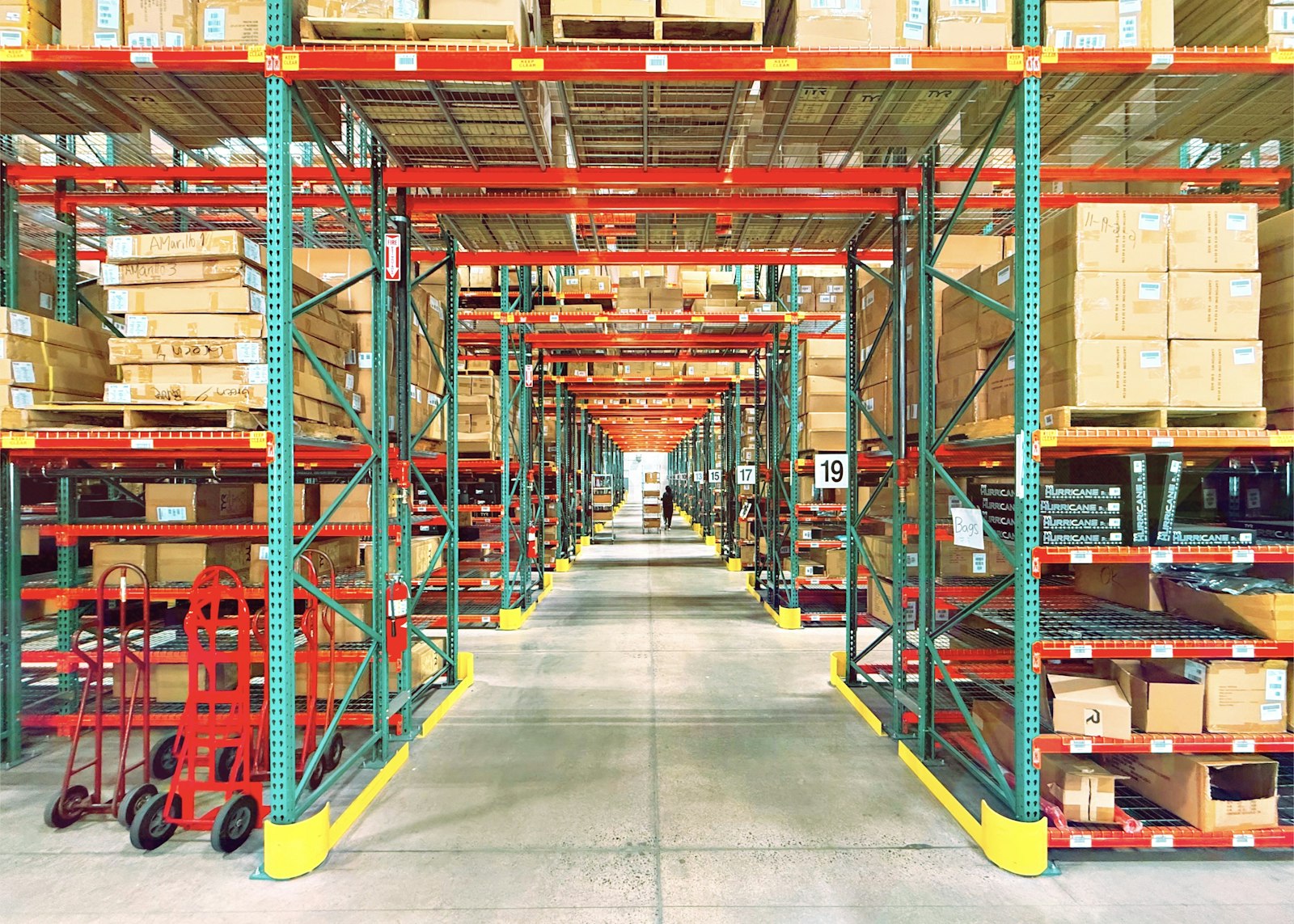
- Warehouses and distribution centres — high-value contents and changing inventory
- Factories and industrial facilities — expensive equipment and costly downtime
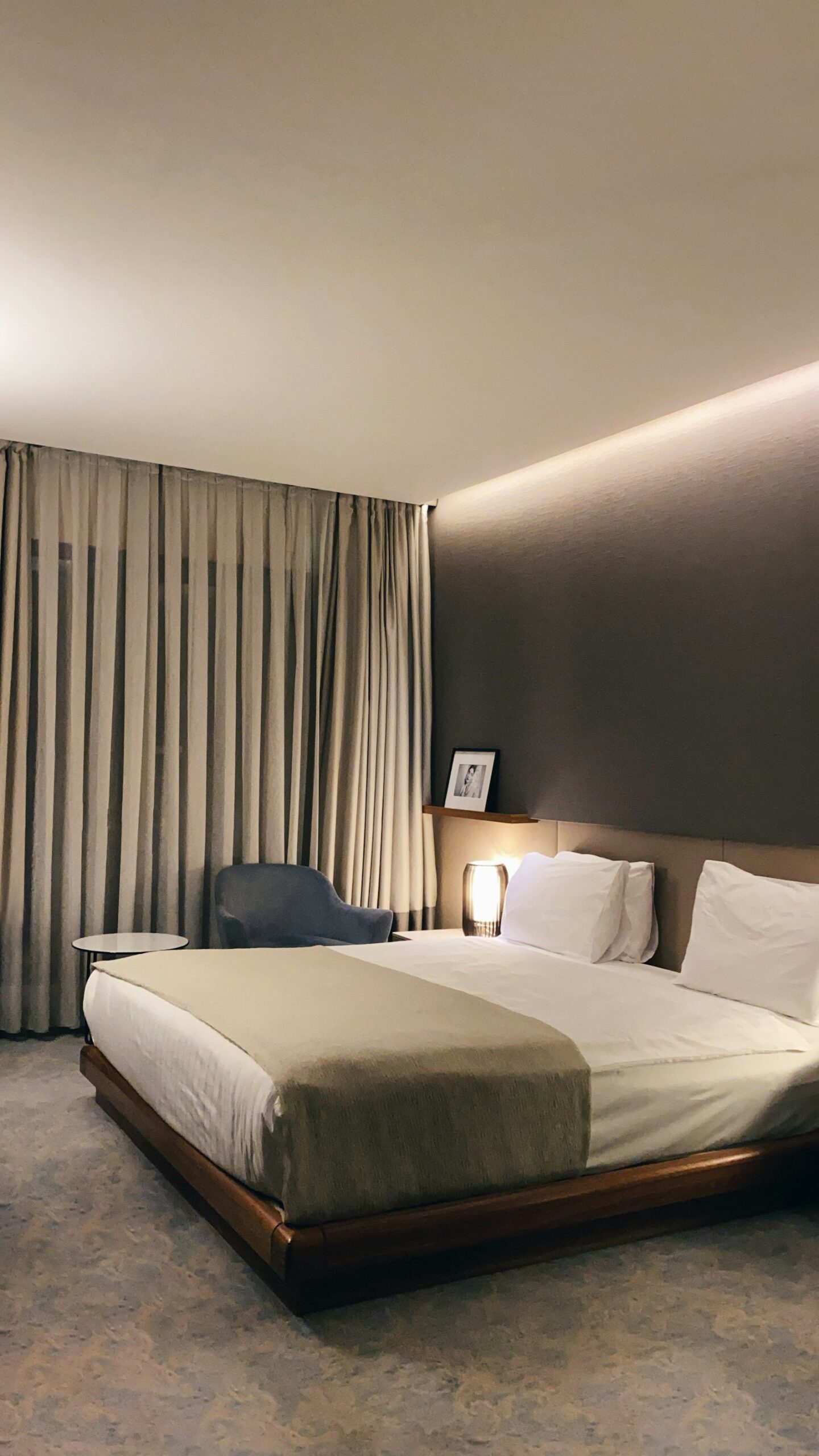
- Hotels and hospitality properties — high-value finishes across large areas
- Data centres and server rooms — dense asset value in a small footprint
- Leased premises — where responsibility for damage is split between owner and tenant
And where it does not justify itself: small offices, low-value assets, and sites where there is nothing substantial to dispute.
Two necessary clarifications
First: insurers in Saudi Arabia do not require 3D documentation, and we do not present it as a requirement. It is supplementary evidence that strengthens your position, not a regulatory step.
Second: visual documentation records only what is visible. It does not establish the condition behind walls, or invisible faults, and it does not replace technical inspection reports. It is a layer of evidence, not a substitute for others.
Anything concerning the claim itself — how it is drafted, when it is filed, how policy wording is interpreted — is a legal and insurance matter for a qualified specialist, not for a documentation supplier.
What a loss adjuster usually asks for
Understanding what will be asked of you makes clear why prior documentation matters. Property claims inspection turns on four recurring questions:
Proof of ownership and value. Invoices, contracts, asset registers. This is a documentary axis that photography does not resolve — but a dated image supports the asset actually being on site, which an invoice alone sometimes fails to establish.
Condition before the incident. This is exactly where the gap sits. The adjuster asks: was this crack already there? Was this unit operational? When was this finish last renewed? Without a prior record, the answer is an estimate.
Extent and scope of damage. Which areas were affected, to what height, how many items. A 3D model turns this from estimate into measurement.
Cause and sequence. A technical axis resting on inspection reports, not on photography. Visual documentation helps establish scope; it does not prove causation.
The timeline. The adjuster builds a narrative: before, the incident, after. A facility holding a documented “before” enters that narrative with evidence. One that does not enters it with an employee’s recollection.
A practical note: notify the insurer and document before any repair begins, whatever the operational pressure. A rapid scan of the damaged site before anything is moved takes hours, and protects a claim that may run for months.
Building the record in practice
Scan in normal condition. Useful documentation is captured while the facility is operating as it usually does, not tidied for the camera.
Set an update cycle. Annually for stable facilities, or on every substantial change of contents or equipment. An old record is weaker than a current one.
Store securely with a verifiable date. The value of evidence lies in proving when it was made. Agree with the supplier how the date is established and keep a copy yourself, not only with them.
Tie it to the inventory. A visual model plus an asset register make a stronger file together than either does alone.
In short
An insurance claim is a dispute about evidence. A facility that documented its condition before the incident holds evidence the other side does not have and that cannot be produced retrospectively.
Weigh the cost of scanning in advance against one difference: the difference between a claim supported by a dated record and a claim supported by memory. On high-value assets, that difference alone justifies the cost.
Chameleon Tour produces 3D documentation for facilities, warehouses and factories across Saudi Arabia. Get in touch to document your site’s condition.